Haringey Council rules for cleaning waste and disposal in N4
Posted on 06/08/2026

Haringey Council rules for cleaning waste and disposal in N4: a practical local guide
If you live, rent, manage, or clean property in N4, waste disposal can go from a quick chore to a small headache surprisingly fast. A clear bag turns into a missed collection, a bulky sofa sits in the hall, or a pile of renovation debris starts taking over the garden. That is where understanding Haringey Council rules for cleaning waste and disposal in N4 really helps. It saves time, avoids fly-tipping trouble, and makes everyday cleaning far less stressful.
This guide breaks everything down in plain English: what the rules mean in practice, how waste is normally handled around N4, what to do with common household and cleaning waste, and where people most often go wrong. If you are planning a deep clean, end-of-tenancy clean, or a proper clear-out, this should give you a solid starting point.
Why Haringey Council rules for cleaning waste and disposal in N4 Matters
Waste rules are not just about keeping the street tidy. In N4, where homes, flats, shared entrances, and busy roads sit close together, one person's leftover rubbish can quickly become everyone's problem. A bag left out too early can be ripped open. A sofa dumped outside a block can attract complaints within hours. And once waste starts building up, it can make a property look neglected very quickly. Truth be told, it only takes one bad bin day for the whole place to feel a bit off.
Following the local approach to rubbish and cleaning waste also helps you stay on the right side of landlord expectations, tenancy terms, and general environmental responsibility. If you are moving out, selling, or preparing a property for guests or buyers, the condition of the waste area can influence first impressions more than people expect. For broader home-readiness and local living context, you may also find this local guide to living in Finsbury Park useful.
Expert summary: The main goal is simple: keep waste contained, sort it correctly, use the right collection route, and avoid leaving anything on streets, pavements, or shared spaces without checking what is allowed.
How Haringey Council rules for cleaning waste and disposal in N4 Works
In everyday terms, the system usually comes down to a few parts: what goes in household bins, what needs separate recycling, what is too large for normal collection, and what must be taken away as special or hazardous waste. The exact collection arrangements can vary by property type, so a flat with limited storage may have very different practical challenges from a terraced house with a side return and a small garden.
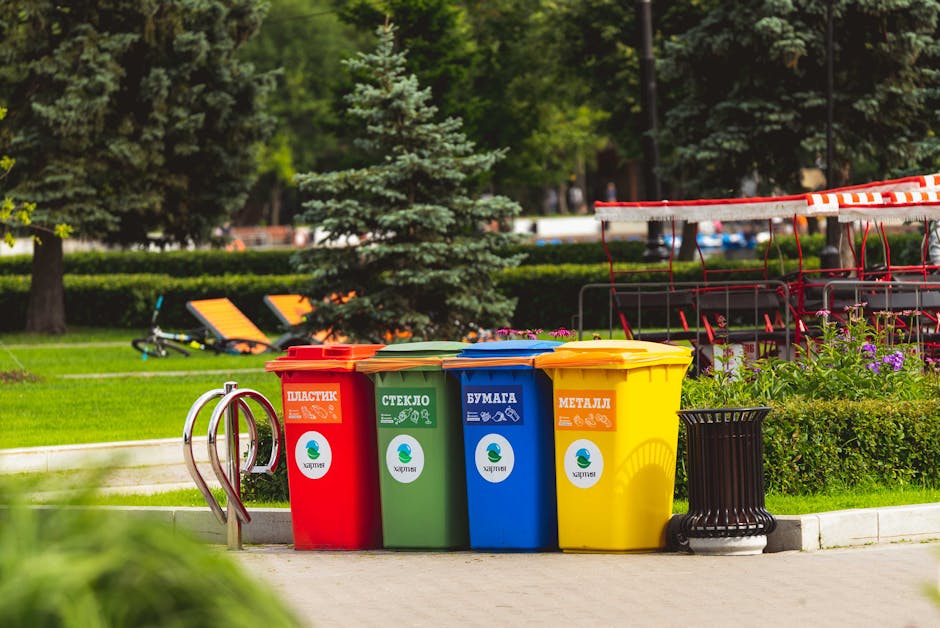
For normal cleaning waste, the safe approach is to separate reusable items, recyclables, general rubbish, and anything that needs specialist handling. That means not mixing paint tins with food waste, not stuffing broken glass into a loose bag, and not assuming that every unwanted item can be put out with the weekly collection. It sounds obvious, but people make this mistake all the time when they are rushing a move or doing a spring clean.
In N4, the most common waste situations usually involve:
- household rubbish from weekly cleaning
- bagged waste from a deep clean or declutter
- bulky items like furniture, mattresses, and appliances
- garden waste from light outdoor maintenance
- leftover packaging, broken household items, and mixed recycling
If your clean-up is larger than a normal bin day, it helps to plan the waste route at the same time as the cleaning itself. That is one reason many residents combine a clear-out with a proper property reset, such as deep cleaning in Finsbury Park or end-of-tenancy cleaning in Finsbury Park, because the waste plan and the clean-up plan need to work together.
Key Benefits and Practical Advantages
Following the rules properly is not only about avoiding trouble. It makes the whole clean-up smoother. Waste is easier to sort. Rooms stay clearer. The property smells fresher. And you avoid that awkward moment where a pile of rubbish becomes part of the furniture for a week. Nobody wants that.
- Less risk of complaints: Neighbours and building managers are far less likely to chase you about overflowing bins or bags left in communal areas.
- Cleaner final result: A good clean is more noticeable when rubbish, packaging, and clutter are handled first.
- Lower chance of fines or enforcement issues: Illegal dumping and improper placement of waste can trigger problems you really do not want.
- Better hygiene: Proper disposal reduces odours, pests, and contamination.
- Less stress during moving or renovation: When the waste route is sorted, the rest of the job feels manageable.
There is also a property value angle. A well-kept home with clean bins, tidy communal areas, and no abandoned items feels more cared for. If you are thinking about selling or letting, the difference is easy to see. For more on how presentation affects local property decisions, have a look at property sales in Finsbury Park.
Who This Is For and When It Makes Sense
This topic matters to more people than you might think. It is not only for landlords or commercial cleaners. If you live in N4, you probably need to understand it at some point. Maybe you are clearing a flat after a tenancy. Maybe you are cleaning up after a party. Maybe you have finally tackled the spare room that has been quietly gathering things since last summer. We have all got one of those rooms.
- Homeowners: for decluttering, DIY waste, garden waste, and general household disposal.
- Tenants: to avoid deposit deductions and leave the place in a decent state.
- Landlords and agents: to keep void periods short and handovers smooth.
- Cleaning professionals: to separate waste from recyclable or reusable items.
- Office managers: for confidential, bulky, or routine commercial waste handling.
If you are organising a one-off clean, a seasonal reset, or a move-out clean, planning the rubbish side first is often the difference between a calm day and a messy one. Local residents sometimes pair this with spring cleaning in Finsbury Park or a one-off reset through one-off cleaning in Finsbury Park.
Step-by-Step Guidance
Here is the simplest way to handle cleaning waste and disposal without overcomplicating it.
- Sort everything before you bag it. Separate recycling, general waste, bulky items, and anything hazardous.
- Remove reusable items first. If something can be donated, sold, or reused, do that before it becomes waste.
- Check what your normal collection can actually take. Do not assume large items or renovation waste belong in the standard bin.
- Bag waste securely. Use strong sacks and avoid overfilling them. A split bag in a shared staircase is a pain, and a bit unpleasant too.
- Keep waste on your property until it is due to go out. Avoid putting things on the pavement early.
- Handle bulky items separately. Sofas, wardrobes, mattresses, and white goods usually need special disposal arrangements.
- Clean the area after removal. Once the waste is gone, sweep, disinfect where needed, and check for stains or spills.
A useful rule of thumb: if an item is awkward, sharp, heavy, liquid-filled, or smells bad, pause and check the disposal route before you move it. That little pause can save a lot of trouble later.
If the job also involves washing, vacuuming, or upholstery care, make sure the waste plan fits the cleaning plan. For example, a post-refurbishment clean often creates dust bags, packaging, and leftover bits that need quick clearing. In those cases, it can make sense to combine waste handling with service planning and a structured clean-up approach.
Expert Tips for Better Results
In our experience, the cleanest results come from people who treat waste disposal as part of the job, not as an afterthought. That sounds simple, but it is where most chaos begins.
- Use two stages: first remove loose rubbish, then deep clean surfaces. If you clean around clutter, you just move the problem around.
- Keep a separate bag for sharp or breakable waste: broken glass, ceramics, and snapped plastics should never float around in general rubbish.
- Label bags if several people are involved: helpful in shared houses, rental blocks, and office spaces.
- Do a final bin check: lid closed, bags tied, no spill marks, no stray packaging. It is a small thing, but it matters.
- Plan collection timing around weather: damp cardboard, rain-soaked bags, and windy bin days can turn orderly waste into a small disaster.
Here is a practical one: if you are cleaning soft furnishings or carpets, it is often worth removing loose waste first so nothing gets embedded into the fibres. A service like carpet cleaning in Finsbury Park works much better when the room is already cleared, and the same logic applies to furniture via upholstery cleaning in Finsbury Park.
Also, for velvet curtains or delicate fabrics, keep messy waste away while you clean. Dust, loose lint, and bits of packaging love to cling to textured materials. A helpful reference is these velvet curtain cleaning tips.
Common Mistakes to Avoid
Most waste problems are not dramatic. They are just small, avoidable errors repeated at the wrong time. A few of the most common ones are below.
- Leaving bags outside too early: this makes them vulnerable to rain, animals, and spillages.
- Mixing waste types: recyclable material, food waste, and general rubbish should not all end up in the same place if you can avoid it.
- Dumping bulky items in communal spaces: stairwells, hallways, and front gardens are not holding bays.
- Ignoring odorous or damp waste: food waste, cleaning cloths, and wet packaging can attract pests quickly.
- Forgetting landlord or block rules: some buildings have their own waste arrangements, and those can matter just as much as council guidance.
- Underestimating renovation debris: broken tiles, plaster, and offcuts often need a separate disposal plan.
One easy mistake to overlook: people clean first and ask about disposal later. Usually backwards. If you are planning a big turnover, check waste handling before the first bin bag is tied. Saves time. Saves arguments. Saves that tired feeling at 8:45 in the evening when you realise the skip-sized pile is still sitting there.
Tools, Resources and Recommendations
You do not need a huge toolkit to handle waste properly. You just need the right basics and a bit of organisation.
| Item | Why it helps | Best used for |
|---|---|---|
| Heavy-duty bin bags | Reduces tearing and leaks | General waste, bathroom rubbish, cleaning cloths |
| Gloves | Protects hands from grime and sharp edges | Declutters, post-cleaning waste, outdoor clear-outs |
| Dustpan and brush | Helps clear crumbs and loose debris | Kitchen clear-downs, cupboard cleanouts, floor prep |
| Microfibre cloths | Useful for wiping surfaces after waste removal | Final clean after bin day or a room reset |
| Storage boxes | Keeps reusable items separate from true waste | Sorting before disposal or donation |
Useful support is often less about fancy tools and more about having a plan. If you are in the middle of a bigger home refresh, it can help to start with a broader cleaning overview like domestic cleaning in Finsbury Park or, for businesses, office cleaning in Finsbury Park.
If you want to speak to someone about a local clean-up or a waste-heavy job, you can also go via the contact page or request a tailored estimate through the quote form.
Law, Compliance, Standards, or Best Practice
Waste handling in the UK is shaped by a mix of council guidance, environmental responsibilities, tenancy expectations, and general duty of care. You do not need to become a legal expert, but you do need to avoid careless disposal. In plain English: if you create the waste, you are responsible for getting rid of it properly.
That means you should be careful with:
- Fly-tipping: leaving waste where it should not be left, including pavements and shared spaces.
- Hazardous items: chemicals, paint, sharp materials, and anything likely to cause harm.
- Duty of care: making sure waste goes to a suitable, legitimate disposal route.
- Landlord and lease rules: many buildings have their own disposal expectations, especially in blocks.
Best practice is usually straightforward: reduce waste, sort it properly, keep it secure, and choose the right collection or disposal method. If you are unsure whether something is acceptable in a standard bin, treat that uncertainty as a sign to check first. It is much better to spend two minutes thinking than two days fixing a problem.
For rental properties, this matters even more. A neglected waste area can affect inspections, check-outs, and relationships with neighbours. If you are preparing a flat for handover, a proper end-of-tenancy clean in Finsbury Park often needs waste removal to be handled neatly alongside the clean itself.
Options, Methods, or Comparison Table
Different waste situations call for different disposal methods. Here is a simple comparison to help you decide what is usually most practical.
| Method | Best for | Pros | Watch out for |
|---|---|---|---|
| Standard household bin | Routine domestic waste | Simple, familiar, convenient | Not suitable for bulky or hazardous items |
| Separate recycling streams | Paper, cardboard, plastics, cans, glass | Reduces landfill waste and keeps things tidy | Contamination can make recycling unusable |
| Bulky waste arrangement | Furniture, mattresses, appliances | Better than leaving items outside | Needs planning and may involve waiting times |
| Specialist disposal | Chemicals, sharp materials, mixed debris | Safer for people and the environment | Requires more care and correct handling |
| Professional clean with waste prep | Moves, deep cleans, rental turnovers | Efficient and less stressful | Best when booked with clear instructions |
If you are comparing clean-up options, it is worth looking at the wider service mix too. A property that needs furniture moved, carpets refreshed, and waste removed may be better suited to a more complete service package than a single quick visit. That kind of practical planning is often where services overview pages come in handy.
Case Study or Real-World Example
Picture a typical N4 flat at the end of a tenancy. The tenant has packed boxes, the kitchen has leftover packaging from a new appliance, there is a broken bedside table in the hallway, and the carpets have picked up a fine layer of dust from the move. Nothing dramatic. Just a normal, slightly chaotic Friday afternoon.
If the tenant puts everything into one pile and hopes for the best, the result is usually slower, messier, and more stressful. Bags split. Recycling gets contaminated. The bulky table ends up in the way. And the clean itself becomes awkward because the cleaner has to work around the clutter.
Now compare that with a smarter approach. The tenant separates reusable items, bags general waste properly, sets aside the table for separate disposal, and clears the rooms before the final clean. The property is easier to finish, the floor is visible, and the whole place feels ready for handover. That is the difference in practice. Not glamorous. Just sensible.
In a similar situation, a landlord may decide to combine waste removal with deep cleaning in Finsbury Park so that the flat can be checked, refreshed, and re-let without a long gap. Simple enough, but genuinely effective.
Practical Checklist
Use this quick checklist before you put anything out for disposal or call in help.
- Have I separated general waste, recycling, bulky items, and anything hazardous?
- Are all bags sealed properly and strong enough to carry?
- Have I checked building rules or landlord instructions?
- Is anything reusable, donate-able, or repairable?
- Do I need a bulky waste solution rather than a normal bin collection?
- Have I cleaned up spills, dust, and crumbs after removing waste?
- Are sharp items and breakables packed safely?
- Have I scheduled the waste removal before the final stage of cleaning?
Quick reminder: if you are unsure about an item, do not force it into the wrong disposal stream. That tiny shortcut can cause the biggest mess.
Get a free quote today and see how much you can save.
Conclusion
Haringey Council rules for cleaning waste and disposal in N4 are easiest to follow when you treat waste as part of the cleaning process, not a separate problem to deal with later. Sort it early, keep it secure, use the right method for the right item, and give yourself enough time to finish the job properly.
That approach keeps your home tidier, your neighbours happier, and your clean-up a lot less stressful. Whether you are preparing for a move, a deep refresh, or just trying to get life back under control after a busy season, good waste handling makes everything feel lighter. And honestly, that little bit of order can be a relief.
Take it one step at a time. The rest falls into place.