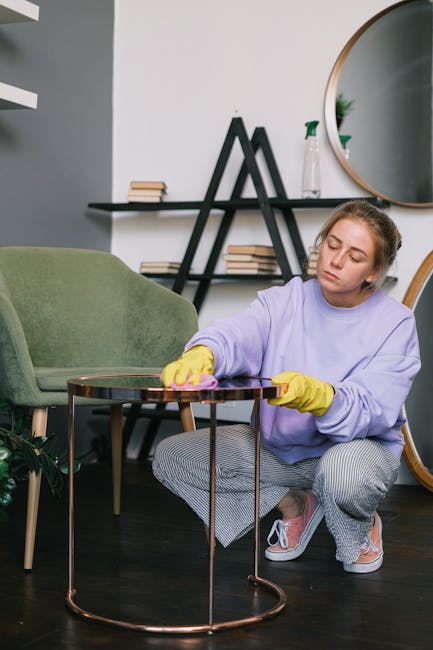
Stroud Green Road upholstery cleaning experts Finsbury Park
Posted on 18/06/2026

Stroud Green Road upholstery cleaning experts Finsbury Park: a practical guide to cleaner sofas, chairs, and delicate fabrics
If your sofa is looking a bit tired, your dining chairs have taken on everyday grime, or a velvet armchair has started to lose its softness, you are probably already searching for Stroud Green Road upholstery cleaning experts Finsbury Park. Fair enough. Upholstery is one of those things people live with for ages, then suddenly notice one day when the sunlight hits it at 4pm and, well... there it is.
This guide explains what professional upholstery cleaning involves, why local knowledge matters around Stroud Green Road and wider Finsbury Park, how the process usually works, and what to look for before you book. You will also find practical tips for stain care, fabric safety, and deciding whether a deep clean is actually the right move for your furniture. If you are also planning a broader refresh, you may find our deep cleaning services in Finsbury Park useful as part of a whole-home reset.
- Why this service matters locally
- How upholstery cleaning works
- Key benefits and practical advantages
- Who needs it and when it makes sense
- Step-by-step guidance
- Expert tips for better results
- Common mistakes to avoid
- Tools, resources and recommendations
- Law, compliance, standards and best practice
- Options and method comparison
- Case study or real-world example
- Practical checklist
- Conclusion
- Frequently asked questions
Why Stroud Green Road upholstery cleaning experts Finsbury Park matters
Stroud Green Road is busy, lived-in, and full of everyday traffic from homes, flats, shops, cafes, and people moving between Finsbury Park and nearby streets. That matters because upholstery in these kinds of homes tends to collect more than visible dirt. It picks up body oils, dust, cooking residue, pet dander, pollen, drink marks, and all the small bits of life that drift in on shoes, coats, and open windows.
Professional upholstery cleaning is not just about making a sofa look brighter. It is about preserving the fabric structure, reducing built-up soil, and helping furniture last longer. That is particularly useful in London homes where furniture often gets heavy use and space is tight, so replacing a sofa is not always the easiest or cheapest fix.
Local expertise matters too. Upholstery cleaning in a mixed residential area like Finsbury Park is rarely one-size-fits-all. A technician may need to handle a compact flat with limited drying space, a family home with a well-used corner sofa, or a rental property where furniture has to be cleaned carefully without disrupting the rest of the room. You want someone who understands that real homes are not showroom spaces. They are better than that, actually.
There is also a practical trust factor. When people search for upholstery cleaning experts locally, they usually want a provider who can explain fabric types clearly, avoid over-wetting, and show good judgement with delicate materials like velvet, chenille, linen blends, or suede-like finishes. That judgement is everything.
Expert summary: Good upholstery cleaning should improve appearance, protect fabric, and fit your home's reality. If a service sounds rushed, vague, or promises miracles on every fabric, that is a red flag.
If you are comparing services as part of a bigger refresh, it can help to look at the wider range of options on the services overview page or consider whether a one-off cleaning visit in Finsbury Park makes more sense for your schedule.
How Stroud Green Road upholstery cleaning experts Finsbury Park works
In plain English, professional upholstery cleaning usually follows a careful sequence: inspection, fabric testing, pre-treatment, cleaning, extraction or rinsing, and drying. That sounds straightforward, but the quality is in the detail.
First, the cleaner identifies the fabric and condition of the furniture. This matters because different fabrics react differently to moisture, heat, and cleaning agents. A synthetic sofa may tolerate one method, while a natural fibre or velvet piece needs a gentler approach. Good cleaners do not guess. They test a discreet area first.
Next comes pre-treatment. This is where loose soil, spots, and traffic marks are treated before the main clean. The aim is to loosen contamination without pushing it deeper into the fibres. Then the cleaner applies the chosen method, often using low-moisture or controlled-moisture techniques to reduce drying time and minimise risk.
Extraction, when appropriate, helps remove suspended dirt and residue. But not every fabric should be soaked or aggressively washed. Sometimes the best result is a controlled clean with careful agitation and targeted stain treatment. To be fair, this is where many DIY efforts go sideways. Too much water, not enough extraction, then a sofa that smells a bit damp for two days. Nobody wants that.
Finally, drying is monitored. Good drying practice is vital in London flats where airflow can be limited. Open windows, heating, dehumidifiers, or simply allowing enough time can make the difference between a fresh result and a frustrating one.
For people who care about fabric-specific care, our advice on cleaning velvet safely and maintaining an elegant finish may also be useful, especially if your seating has a similar delicate pile.
Key benefits and practical advantages
Professional upholstery cleaning delivers benefits that go beyond what you can see at first glance. Here are the main ones, in a practical order rather than a marketing one.
- Better appearance: Everyday dullness, spots, and shadows from use are reduced, so furniture looks more cared for.
- Longer fabric life: Dirt acts a bit like grit. The more it sits in fibres, the more wear it can cause over time.
- Improved freshness: Upholstery can hold odours from pets, food, smoke, or damp air. A proper clean helps reset that.
- Safer fabric handling: An expert is less likely to shrink, stain, or tide-mark a piece by mistake.
- Better living comfort: Clean upholstery just feels nicer to use. There is no getting around that.
- Helpful for landlords and tenants: Fresh furniture can support a better first impression at the end of a tenancy or before new occupants arrive.
One often overlooked advantage is time. A professional service can save you the awkward trial-and-error of home cleaning. If you have ever stood there with a cloth, a spray bottle, and a sinking feeling, you will know what I mean.
It can also fit alongside broader home maintenance. For example, a seasonal refresh might combine upholstery work with spring cleaning in Finsbury Park or a general domestic cleaning service if the whole property needs attention rather than just one sofa.
Who this is for and when it makes sense
Upholstery cleaning makes sense for a lot more people than just homeowners with expensive furniture. In fact, some of the most common users are people living normal, busy lives in normal, busy homes.
You might need it if:
- your sofa or armchairs look worn even after regular vacuuming;
- you have visible drink marks, food marks, or pet-related soiling;
- there is a lingering odour you cannot quite shift;
- you are preparing a property for sale or letting;
- you have just moved into a flat and want the furniture to feel properly yours;
- you own a rental property and want furnishings to present well;
- you are managing a home office or shared workspace with upholstered seating.
It also makes sense if your fabric is delicate. Velvet, woven blends, and lightly textured upholstery can look fine from a distance but still hold dust and flattened pile up close. A careful clean can make a surprisingly big difference.
For those living near the station or commuting daily, local dirt loads can be a little higher than you expect. If that sounds familiar, the article on carpet cleaning near Finsbury Park Station gives a good sense of how active footfall affects home cleanliness, and the same logic often applies to upholstery.
There are times when upholstery cleaning may not be the first step. If a sofa has structural damage, severe dye transfer, or significant mould, a specialist assessment is better than forcing a standard clean. A good cleaner will tell you that straight. No drama, just honesty.
Step-by-step guidance
If you want a clear picture of what a well-run upholstery clean looks like, this is the usual flow.
- Book an assessment. Share photos if you can. Mention the fabric, visible stains, pets, children, or anything unusual.
- Prepare the room. Move small items, fragile objects, and anything that could block access. You do not need to empty the house. Just make the main furniture reachable.
- Confirm fabric type and risks. A technician should check labels, seams, dye stability, and wear points before starting.
- Pre-vacuum thoroughly. Dry soil removal is a key part of the process. Skipping this is a bit like washing muddy trainers without knocking off the mud first.
- Treat specific spots. Spills, grease marks, and body oils are handled before the main clean.
- Clean with the right method. The chosen approach should match the fabric, soil level, and drying conditions.
- Check the result. Revisit problem areas while the fabric is still being monitored.
- Dry properly. Allow ventilation and avoid sitting on the furniture too soon.
If you are planning around a delivery, guests, or a property handover, timing matters. Upholstery cleaning is often best booked when the room can be left alone for a while, because drying should not be rushed. It is one of those jobs where patience pays off.
In some homes, an upholstery clean goes hand in hand with carpet cleaning in Finsbury Park so the room dries and freshens as one cohesive job, not as a series of half-finished tasks.
Expert tips for better results
These are the little things that often separate a decent result from a really good one.
- Know your fabric before you start. If the care label is missing, treat the piece as sensitive until proven otherwise.
- Vacuum first, always. Dry soil is easier to remove before moisture enters the fibres.
- Blot, do not rub. Rubbing can spread the stain and distort the weave.
- Test cleaners discreetly. Even gentle products can affect dyes or pile direction.
- Watch for over-wetting. Too much moisture leads to longer drying and possible tide marks.
- Plan around airflow. If your flat is stuffy, use windows and circulation wisely.
- Think in zones. Treat the seat cushions, arms, and back separately if needed. That usually gives a more even finish.
One small but useful tip: if a stain has already been there for weeks, do not keep attacking it every evening with different sprays. Mixing methods can make things worse very quickly. Better to stop, assess, and choose one sensible route.
Also, if your home is busy and you have a lot of upholstered pieces, it can be smart to align the clean with a full domestic reset, especially after a long winter or before guests arrive. The room feels different afterwards. Fresher, lighter, calmer. That sounds simple, but you notice it.

Common mistakes to avoid
Upholstery is forgiving in some ways and surprisingly fussy in others. These are the mistakes that come up again and again.
- Using too much water. This is the biggest one. More moisture is not more clean.
- Ignoring fabric codes or labels. A method that works on one material can ruin another.
- Scrubbing stains aggressively. That often spreads the mark and damages texture.
- Using kitchen products on delicate fabrics. Household cleaners are not automatically upholstery-safe.
- Letting furniture stay damp. Dampness can create odours and slow drying far too much.
- Expecting every stain to vanish. Some marks are permanent or only partly reducible, and honest advice is better than overpromising.
- Choosing solely on price. Cheapest is rarely best when fabric is involved.
Let's face it, upholstery cleaning is not the place for guesswork. A rushed job can turn a manageable mark into a bigger one. If you are not sure, ask questions before the clean begins. Good cleaners expect that.
Tools, resources and recommendations
You do not need a trolley full of equipment to understand the process, but it helps to know what professionals usually rely on.
- Inspection light or strong daylight: helps reveal soil patterns, hidden marks, and fibre flattening.
- Vacuum with upholstery attachment: lifts dry dust and grit before wet cleaning.
- Appropriate fabric-safe spotting solutions: used carefully and in the right dilution.
- Microfibre cloths and absorbent towels: useful for controlled blotting and moisture management.
- Soft brushes or hand tools: help with agitation without roughing up the weave.
- Airflow tools or dehumidification strategies: useful for faster, safer drying where appropriate.
From a customer perspective, a good recommendation is to document problem areas with photos before the clean. That makes it easier to compare before and after, and it removes any awkwardness later if you are dealing with a rental or insurance discussion.
If you want to compare the service with broader options, the upholstery cleaning service page is the natural place to start, while the pricing and quotes information can help you understand how estimates are typically handled.
You may also want to review the company's insurance and safety information and health and safety policy if you are booking for a busy household, a rental, or shared premises.
Law, compliance, standards and best practice
For upholstery cleaning, the practical standards matter more than dramatic claims. In the UK, the main expectations are straightforward: work safely, use suitable products, avoid damaging property, and handle customer data and access responsibly. If cleaning takes place in a rental property, the cleaner should also be mindful of the landlord-tenant arrangement and any agreed inventory condition.
There is no single magic rule that covers every fabric job. Instead, good practice usually means:
- identifying fabrics before treatment;
- testing products discreetly;
- avoiding excess moisture;
- working with proper ventilation;
- disclosing any limitations honestly;
- respecting the customer's property and instructions.
For customers, the most useful compliance check is simple: does the company communicate clearly, treat your home carefully, and explain what is and is not possible? That matters far more than jargon.
You can also look through the company's terms and conditions, privacy policy, and complaints procedure if you want a fuller picture of how the service is run. It is not the exciting bit, admittedly, but it tells you a lot about how a business behaves when things are not perfect.
For readers who like to understand a company's wider values, the about us page and modern slavery statement can also provide extra reassurance about accountability and business standards.
Options, methods, or comparison table
Not every upholstery job needs the same approach. Here is a simple comparison of common options so you can make a better decision.
| Method | Best for | Strengths | Watch-outs |
|---|---|---|---|
| Vacuum-only maintenance | Light dust and regular upkeep | Quick, safe, low disruption | Will not remove stains or deep soil |
| Targeted spot treatment | Fresh marks or small problem areas | Focused and efficient | Can spread stains if rushed |
| Low-moisture professional clean | Most household upholstery | Balanced cleaning with faster drying | May not suit every fabric or heavy contamination |
| Deep extraction-based clean | Heavily used seating and embedded soil | Good soil removal when fabric allows it | Needs careful drying and correct fabric compatibility |
| Specialist fabric care | Velvet, delicate weaves, or sensitive finishes | Lower risk of damage | Requires experience and patience |
Which is best? That depends on fabric, staining, drying space, and your expectations. There is no point forcing a heavy-duty process onto a delicate armchair just because it sounds more impressive. The best method is the one that suits the furniture.
Case study or real-world example
Here is a realistic example based on the kind of job that comes up regularly in Finsbury Park. A family in a flat near Stroud Green Road had a fabric sofa, two dining chairs, and a footstool that had slowly picked up everyday marks over the winter. Nothing dramatic. Just the sort of dulling that creeps in until you suddenly notice it one morning and think, "Right, that's enough."
The sofa had light food marks on one cushion, some darkening on the arms from regular use, and a slightly flat patch in the middle seat. The chairs had hand marks and dust in the seams. The fabric was safe for a controlled low-moisture approach, but the cleaner still tested a hidden area before doing anything else.
The result was not a brand-new sofa, because no honest cleaner would promise that. But the pieces looked brighter, smelled fresher, and felt less heavy in the room. The family said the biggest change was not even visual at first. It was how the room felt in the evening with the lights on. Cleaner, calmer, a bit more inviting. That is often how these jobs pay off.
In a rental scenario, the same approach can help at the end of a tenancy, especially when combined with end of tenancy cleaning in Finsbury Park. Furniture, carpets, and hard surfaces all influence the final impression, and they should work together rather than in isolation.
Practical checklist
Use this checklist before you book or before a cleaner arrives.
- Identify the furniture pieces that need cleaning.
- Check for care labels if they are available.
- Take photos of any existing stains or damage.
- Move small accessories and breakables out of the way.
- Ask what cleaning method will be used.
- Confirm how long drying is likely to take.
- Ask whether spot treatment is included.
- Check whether pets or children need to stay off the furniture afterwards.
- Review terms, safety, and payment details before confirming.
- Plan the job for a time when you can keep the room ventilated.
If you are coordinating several jobs at once, this is also a good moment to think bigger. A sofa clean, carpet refresh, and house tidy-up can often be grouped in a sensible order so the home does not feel constantly half-finished.
Get a free quote today and see how much you can save.
Conclusion
Choosing Stroud Green Road upholstery cleaning experts Finsbury Park is really about more than getting a sofa to look a bit brighter. It is about making careful decisions for your home, your fabric, and your day-to-day comfort. The right cleaner will inspect first, test first, and explain the process in plain English. That should be the baseline, not the bonus.
If your upholstery is looking worn, holding odours, or just not fitting the rest of your home anymore, a professional clean can be a sensible, low-drama fix. And if you are planning a broader refresh, there is value in connecting the pieces: carpets, upholstery, domestic cleaning, and one-off deep cleaning all support each other.
Sometimes the smallest change lifts the room the most. A fresher sofa, a cleaner chair, a little more light bouncing around the space. Simple, but lovely.